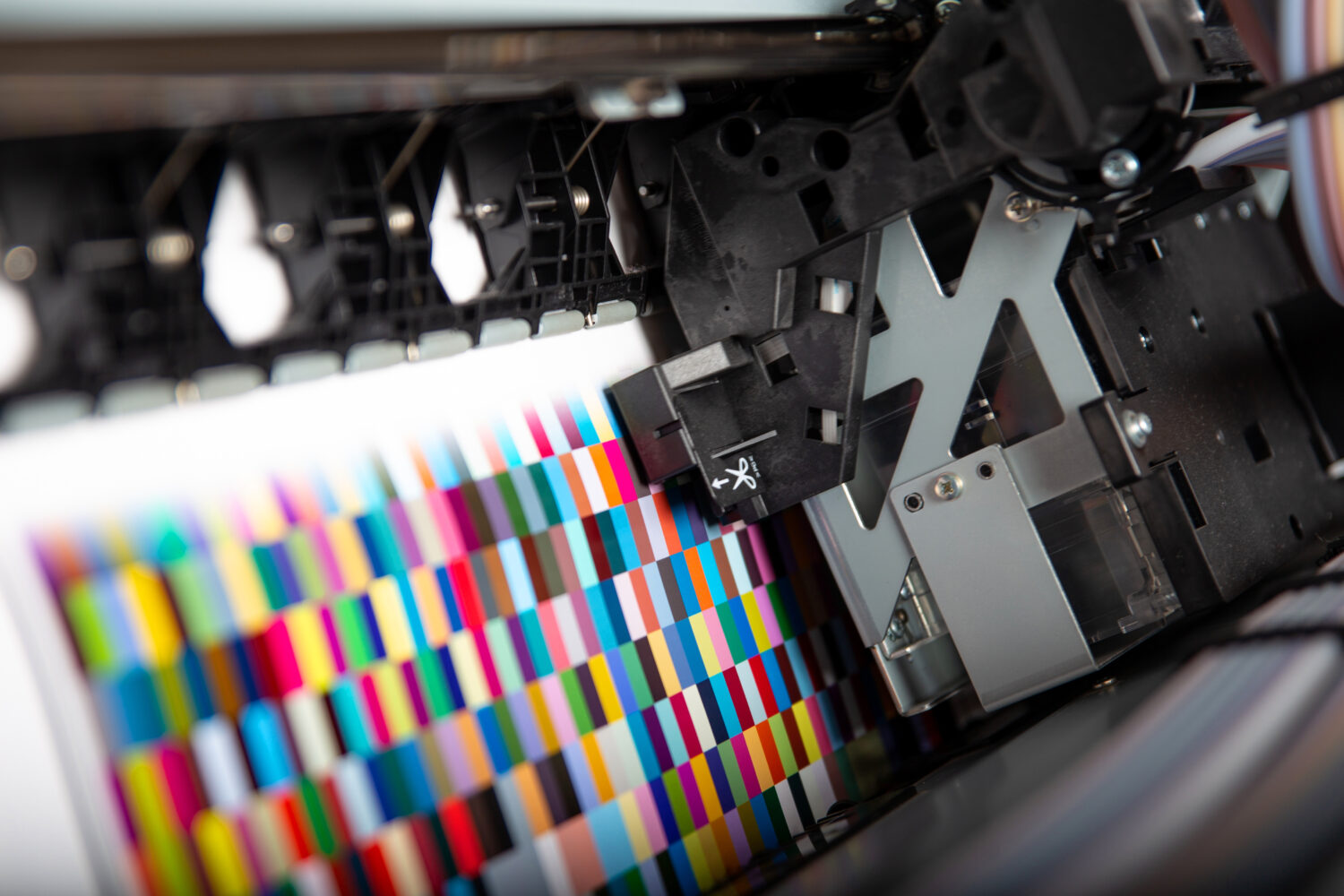
Offset printing, also known as offset lithography, is one of the most commonly used printing techniques in both commercial and personal printing contexts. The method has been a cornerstone of the printing industry for over a century, producing everything from newspapers and magazines to posters and banners. In the United Kingdom, where the printing industry is thriving, offset printing remains a preferred choice for many businesses and creative professionals. Its versatility, efficiency, and high-quality output make it suitable for a wide range of projects.
Understanding Offset Printing
The basic principle of offset printing involves transferring (or offsetting) an inked image from a plate to a rubber blanket, and then onto the printing surface. This indirect method helps to create consistently sharp and clean images, making it ideal for high-volume jobs such as marketing materials, posters, and banner prints. The technique’s precision allows it to produce images and text with excellent detail and vibrant colours, qualities that are especially beneficial in banner printing, where visuals need to stand out. Offset printing can be categorised into two main types: sheet-fed and web-fed. Sheet-fed offset printing uses pre-cut sheets of paper, making it suitable for smaller print runs and specialised jobs like business cards, brochures, and posters. Web-fed offset printing, on the other hand, uses continuous rolls of paper and is more suitable for high-volume productions like newspapers and magazines. In the context of banner printers and poster printing in the UK, sheet-fed offset printing is often the preferred choice because it allows for a more controlled, high-quality finish.
The Offset Printing Process
The process of offset printing involves several key steps that contribute to the quality and efficiency of the final product. Firstly, the design is created and then etched onto a printing plate. This plate, usually made of aluminium, carries the image or text to be printed. The image area on the plate is hydrophobic (repels water), while the non-image area is hydrophilic (attracts water). When the plate is exposed to ink and water, the ink adheres to the image area while the water covers the rest of the plate. Next, the inked plate is pressed against a rubber blanket cylinder, which picks up the inked image. This step is crucial as the flexibility of the rubber blanket allows it to transfer the ink onto a variety of printing surfaces, including paper, cardboard, or even plastic materials. This adaptability makes offset printing an excellent choice for both small-scale poster printing and large-scale banner production. Finally, the image is transferred from the rubber blanket to the printing surface. The paper or other material passes through the press at high speed, ensuring quick, consistent, and high-quality results. Because of this process, offset printing is not only cost-effective but also maintains a high level of accuracy and detail, which is why it is favoured by professional banner printers in the UK.
Advantages of Offset Printing
One of the most significant advantages of offset printing is its ability to produce large quantities of high-quality prints at a relatively low cost. This makes it ideal for commercial printing projects where consistency and quality are paramount. For businesses in the UK looking to produce large volumes of marketing materials like posters or banners, offset printing offers both quality and value. The precision and clarity of the images produced by offset printing are unmatched. This is largely due to the ability of the process to control the amount of ink applied to each area of the printing surface, ensuring vibrant and accurate colours. This feature is particularly beneficial for poster printing, where the visual impact of the image is crucial. Similarly, banner printers can use offset printing to create eye-catching banners with sharp text and bold graphics that are essential for attracting attention in public spaces. Offset printing also provides a wide range of material options. Whether you are printing on standard paper, glossy paper, or even non-paper substrates like vinyl or plastic, the offset process can accommodate different textures and finishes. This flexibility is particularly advantageous for banner printers who need to produce durable prints that can withstand outdoor conditions.
Limitations of Offset Printing
Despite its many benefits, offset printing does have some limitations. One of the primary drawbacks is the initial setup cost. Preparing the printing plates and configuring the press can be time-consuming and expensive, making it less suitable for small print runs. For projects that require only a few copies, digital printing might be a more economical option. Moreover, because of the need to create separate plates for each colour, offset printing is not ideal for jobs that require frequent changes to the design or text. For instance, if a company in the UK needs to produce a series of posters with varying messages, digital printing may offer more flexibility and faster turnaround times. Another consideration is the environmental impact of offset printing. While modern technology has significantly reduced the environmental footprint of offset printing, the process still involves the use of chemicals and water. However, many UK-based printing companies are now adopting eco-friendly practices, such as using vegetable-based inks and recycling printing plates, to minimise their environmental impact.

Offset Printing in Poster Production
Poster printing is one of the most common applications of offset printing. From promotional posters for events to informational posters for businesses, the process is widely used to produce large quantities of posters with excellent image quality and consistency. In the UK, where the creative industries play a significant role in the economy, offset printing is a popular choice among designers and marketers. Offset printing allows for high-resolution images and vibrant colours, making posters visually appealing and effective at conveying messages. This is particularly important in contexts like retail or entertainment, where posters need to capture attention quickly. Additionally, the durability of offset-printed posters ensures that they can be used in various settings, both indoors and outdoors. For companies looking to produce posters in bulk, offset printing provides a cost-effective solution without compromising on quality. The setup costs are offset by the lower per-unit cost when printing large quantities, making it an economical option for large-scale campaigns.
Offset Printing for Banners
Banners, much like posters, benefit significantly from the clarity and colour accuracy provided by offset printing. The process can produce banners with sharp, detailed images and text that are essential for outdoor advertising or event promotions. In the UK, banner printers often use offset printing for its ability to create visually striking banners that stand out in busy environments. Offset printing allows banner printers to work with a variety of materials, including vinyl, which is commonly used for outdoor banners. This adaptability is crucial for creating durable banners that can withstand different weather conditions while maintaining their visual appeal. Whether it’s for a trade show, storefront display, or a large-scale event, offset-printed banners deliver a high level of quality and durability that few other printing methods can match. The precision of offset printing also ensures that banners are free from common print defects such as blurring or inconsistent colours. This is especially important for banner printers who need to produce banners that accurately reflect a brand’s colours and design elements. In a competitive market like the UK, where visual branding is key, the quality of offset printing can make a significant difference in how a business’s promotional materials are perceived.
The Future of Offset Printing in the UK
The UK printing industry is constantly evolving, with new technologies and trends shaping the way businesses produce printed materials. Despite the rise of digital printing, offset printing continues to hold its ground due to its unique advantages in terms of quality and cost-efficiency for large print runs. Many UK-based printing companies are now integrating digital technology with traditional offset printing to offer hybrid solutions that combine the best of both worlds. Environmental sustainability is another factor influencing the future of offset printing in the UK. With growing awareness of environmental issues, many companies are looking for ways to reduce waste and use sustainable materials. Offset printing, with its long-standing reputation for producing high-quality prints, is adapting by incorporating greener practices and materials. This trend is likely to continue, making offset printing an even more appealing option for environmentally conscious businesses.
Choosing the Right Printing Method
When deciding whether to use offset printing for a project, it’s important to consider the specific requirements of the job. For large print runs that demand consistent quality, such as posters or banners, offset printing is often the best choice. The process’s ability to handle complex designs and produce vivid colours makes it ideal for marketing materials that need to make a strong visual impact. However, for smaller print runs or projects that require frequent design changes, digital printing may be more suitable. Digital printing offers quicker turnaround times and lower setup costs, making it ideal for short-term or customised print jobs. Understanding these differences can help businesses in the UK choose the most effective and economical printing method for their needs.

Offset Printing vs. Digital Printing
While both offset and digital printing have their own distinct advantages, the choice between the two often depends on the scale and nature of the project. Offset printing is ideal for high-volume jobs due to its ability to produce consistent, high-quality prints at a lower cost per unit. The setup cost for offset printing is generally higher because of the need to create plates for each colour, but it becomes more economical for large print runs. In contrast, digital printing doesn’t require plates, making it more suitable for short print runs or jobs that need quick turnaround times. Digital printing offers greater flexibility when it comes to customization, making it ideal for personalised print materials. In the UK, many printing companies offer both services to cater to different customer needs, ensuring that clients can choose the method that best fits their project requirements.
Choosing Offset Printing for Business Branding
For businesses looking to create a cohesive brand image, offset printing is an excellent choice. The process’s ability to produce high-quality images and precise colour matching ensures that brand logos, fonts, and colours are reproduced accurately across different print materials. Whether it’s for business cards, brochures, posters, or banners, offset printing provides the consistency needed to establish a strong visual identity. This is particularly beneficial for companies that require a large quantity of printed materials, such as retail stores or event organisers. In the UK, where the competition among businesses is fierce, maintaining a professional appearance through high-quality prints can make a significant difference in brand perception. The durability of offset-printed materials also ensures that branding remains intact even in challenging environments, such as outdoor banner displays or heavily handled brochures.

Eco-Friendly Practices in Offset Printing
With the increasing focus on sustainability in the UK, many offset printing companies are adopting eco-friendly practices to reduce their environmental impact. This includes using vegetable-based inks instead of petroleum-based inks, recycling aluminium plates, and minimising water and chemical usage. Some printers are also investing in more efficient machinery that reduces energy consumption and waste. Choosing recycled or FSC-certified paper is another way that businesses can make their offset printing projects more environmentally friendly. Many UK-based printers now offer these sustainable options to cater to clients who are conscious of their environmental footprint. By incorporating these practices, the offset printing industry is not only helping to preserve the environment but also appealing to a growing customer base that values sustainability. This shift towards greener printing solutions ensures that offset printing remains a viable and responsible choice for businesses in the modern world.
Contact The Experts
Offset printing remains a vital part of the printing industry, offering high-quality, cost-effective solutions for a wide range of applications. Whether it’s producing stunning posters or durable banners, offset printing provides the clarity, consistency, and versatility needed to create effective visual communications. While digital printing has gained popularity in recent years, offset printing’s unique strengths ensure its continued relevance, particularly for businesses and creative professionals in the UK looking to make a lasting impression through print. As the printing industry continues to evolve, offset printing is likely to adapt and incorporate new technologies and sustainable practices. For those seeking high-quality prints that combine precision with visual impact, offset printing remains an excellent choice, ensuring that the UK’s printing industry stays at the forefront of innovation and quality. Get in touch with the experts at King Print to find out more.