
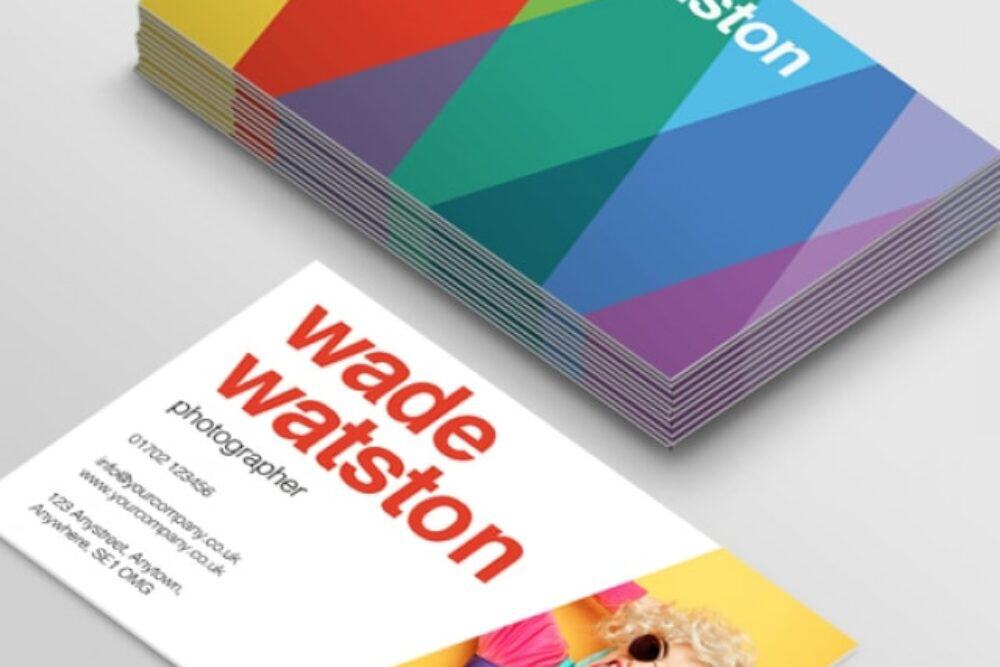
The humble business card has long been a staple of professional interactions, serving as a convenient and tangible way to share contact details and leave a lasting impression. From the bustling streets of London to corporate offices in Manchester, business cards have remained a key tool for networking and brand representation. However, as technology continues to evolve, so too does the role of the business card. In a world increasingly driven by digital innovation, what does the future hold for this traditional networking tool? This blog explores the changing landscape of business cards, the challenges they face in a digital-first world, and the innovations that are shaping their future.
The Enduring Appeal of the Business Card
Despite the rapid rise of digital alternatives, business cards remain relevant in professional settings. There is a certain charm and practicality in exchanging a physical card during a face-to-face meeting. It adds a personal touch to networking and provides a tactile reminder of a conversation or interaction. For many professionals, particularly in the UK, business cards are not just about sharing contact information—they are a reflection of their brand and identity. The design, material, and overall presentation of a business card communicate professionalism, creativity, and attention to detail. A well-crafted card can leave a lasting impression, making it more than just a piece of paper. Moreover, business cards transcend digital barriers. They don’t require internet access, a compatible app, or even a smartphone. This universality ensures that business cards can be used in any setting, from local networking events to international conferences.
Challenges in a Digital-First World
While business cards continue to hold their place in the professional world, they face growing challenges in an increasingly digital landscape. One of the most significant changes is the way people exchange and store information. Smartphones and online platforms have revolutionised the way professionals connect, making it easier than ever to share contact details with a simple tap or click. Environmental concerns also pose a challenge for traditional business cards. As more businesses and individuals seek to reduce waste and adopt sustainable practices, the production and distribution of physical cards may be seen as less eco-friendly. This has led some to question whether traditional business cards align with modern values. Additionally, the COVID-19 pandemic accelerated the shift towards digital networking. With in-person meetings and events temporarily replaced by virtual ones, the need for physical business cards diminished. Although in-person interactions have since resumed, this period highlighted the potential of digital alternatives and forced professionals to reconsider the necessity of physical cards.

Digital Business Cards: A Growing Trend
In response to these challenges, digital business cards have emerged as a modern alternative to their traditional counterparts. These virtual cards allow professionals to share contact details, social media profiles, and other information instantly via smartphones or QR codes. With just a few taps, a digital card can be sent, saved, and even integrated into a contact management system. Digital business cards offer several advantages. They eliminate the need for printing, making them a more sustainable option. They are also highly customisable, allowing users to update their details in real time without the need to reprint a batch of cards. For businesses and freelancers alike, this adaptability ensures that their information is always accurate and up-to-date. Moreover, digital cards can include interactive elements, such as clickable links, embedded videos, and social media integrations. This added functionality enhances the networking experience and provides a richer representation of a professional’s brand. However, digital business cards are not without their limitations. They rely on technology, which means they may not be accessible to everyone. For example, individuals without smartphones or reliable internet access may find it challenging to use digital cards. Additionally, they lack the tangible quality of physical cards, which some professionals still value.
The Rise of Hybrid Solutions
Rather than choosing between physical and digital business cards, many professionals are opting for hybrid solutions that combine the best of both worlds. One popular example is the use of physical cards with embedded technology, such as near-field communication (NFC) chips or QR codes. These cards look and feel like traditional business cards but include a scannable feature that directs recipients to a digital profile or website. NFC-enabled business cards are particularly innovative. By simply tapping the card against a smartphone, the recipient can instantly access the cardholder’s contact details, social media links, and more. This seamless integration bridges the gap between physical and digital, offering convenience without sacrificing the tactile appeal of a traditional card. Another emerging trend is the use of augmented reality (AR) to enhance business cards. AR-enabled cards can display 3D animations, videos, or interactive content when viewed through a smartphone camera. This cutting-edge technology allows professionals to create memorable and engaging experiences that go beyond the standard exchange of information. Hybrid solutions highlight the adaptability of the business card and demonstrate its potential to evolve alongside technological advancements. By embracing these innovations, professionals can ensure that their cards remain relevant and impactful in a digital-first world.
Sustainability and the Future of Business Cards
As sustainability becomes an increasingly important consideration for businesses, the future of the business card will likely be shaped by eco-friendly practices. Many companies are already exploring ways to make their cards more sustainable, such as using recycled paper, biodegradable materials, or soy-based inks. These changes reduce the environmental impact of traditional business cards while maintaining their tactile appeal. Digital cards also play a role in promoting sustainability. By eliminating the need for printing, they reduce waste and minimise the use of resources. However, the sustainability of digital cards depends on the devices and platforms used to create and share them. As technology continues to evolve, finding ways to make digital networking more environmentally friendly will be essential. The push for sustainability has also sparked creativity in the design and production of business cards. For example, some companies are experimenting with innovative materials, such as seed paper that can be planted after use or cards made from bamboo or other renewable resources. These eco-friendly options not only align with modern values but also provide an opportunity to make a unique and memorable impression.

The Role of Business Cards in Networking
Networking remains a cornerstone of professional growth, and business cards continue to play a vital role in facilitating connections. While the methods of exchanging information may evolve, the underlying purpose of the business card—to establish and nurture relationships—remains unchanged. For small businesses and freelancers, business cards are an affordable and effective way to promote their brand and connect with potential clients. They act as a portable advertisement, showcasing a company’s logo, services, and unique identity. Even in a digital age, the act of handing someone a card can create a personal and meaningful interaction that digital exchanges often lack. In industries where face-to-face meetings are common, such as real estate, hospitality, and creative services, business cards remain a trusted tool for building relationships. They provide a sense of professionalism and serve as a tangible reminder of an encounter, ensuring that connections are not easily forgotten.
The Cultural Aspect of Business Cards
In addition to their practical uses, business cards hold cultural significance in many parts of the world. In countries like Japan, the exchange of business cards, or meishi, is a formal ritual that reflects respect and professionalism. The presentation and acceptance of a card are seen as an extension of one’s character and brand. While cultural norms around business cards may differ, their role as a symbol of professionalism and connection is universal. Even as digital alternatives become more prevalent, the cultural importance of the business card ensures its continued relevance in certain contexts.
Embracing the Future of Business Cards
The future of the business card is not a question of replacement but evolution. As technology advances and societal values shift, the business card will continue to adapt, offering new ways to connect, engage, and make an impression. Professionals should view the changes in business cards as opportunities rather than challenges. By embracing digital innovations, hybrid solutions, and sustainable practices, they can ensure that their cards remain relevant and impactful. Whether through a beautifully designed traditional card, a cutting-edge NFC-enabled solution, or a fully digital profile, the goal remains the same: to foster connections and leave a lasting impression. As businesses in the UK and beyond navigate the ever-changing landscape of networking, the business card will remain a trusted tool—albeit in a form that reflects the values and technologies of the modern world. For those willing to innovate and adapt, the future of the business card is bright, offering endless possibilities for creativity and connection.
We also provide t-shirt printing, leaflet and flyer printing.