
When it comes to being in business, first impressions hold tremendous weight. They can shape perceptions, build trust, and lay the foundation for meaningful connections. As the saying goes, “you never get a second chance to make a first impression.” In this fast-paced world, where interactions often happen in the blink of an eye, the importance of making a positive first impression cannot be overstated.
Enter the business card—a small yet mighty tool in the arsenal of professional networking. Business cards serve as tangible representations of you and your brand, encapsulating your identity, values, and expertise in a compact format. They are often the first point of contact between you and a potential client, partner, or employer, making them a crucial component of any networking strategy.
Business cards are typically exchanged in a variety of professional settings, including networking events, conferences, meetings, and social gatherings. They provide a convenient way to share contact information and initiate further communication. Whether you’re introducing yourself to a new client, following up with a potential lead, or reconnecting with a colleague, a well-designed business card can leave a lasting impression and set the stage for future interactions.
Beyond their practical utility, business cards also serve as powerful branding tools. The design, quality, and aesthetic of your business card can speak volumes about your professionalism, attention to detail, and commitment to excellence. From the choice of paper stock to the typography and colour scheme, every element of your business card contributes to the overall impression it conveys.
In today’s digital age, where virtual connections often take precedence, the tactile nature of a business card offers a refreshing and personal touch. It provides a tangible reminder of your encounter, allowing recipients to recall your conversation and easily reference your contact information when needed.
In essence, business cards play a multifaceted role in professional networking, serving as ambassadors for your brand and facilitators of meaningful connections. As we delve deeper into the art and science of business card design and etiquette, we’ll explore how to leverage this timeless tool to make a lasting impression and unlock new opportunities in your professional journey. Whether you’re a seasoned entrepreneur or a budding professional, mastering the art of business cards can elevate your networking game and open doors to success.

Understanding Your Brand
Before diving into design, it’s essential to have a clear understanding of your brand identity. What sets your business apart? What values and aesthetics define your brand? Your business card should serve as a visual extension of your brand, conveying its personality and message to recipients. Whether you’re aiming for a sleek and modern look or a more traditional and elegant design, consistency is key.
Business Card Essential Elements
A well-designed business card should include the following essential elements:
1. Contact Information: Ensure that your card includes all necessary contact details, such as your name, job title, phone number, email address, and website. Make sure the text is legible and easy to read.
2. Logo: Your logo is the cornerstone of your brand identity and should be prominently featured on your business card. Make sure it’s displayed prominently and in a way that catches the eye.
3. Visuals: Incorporate visually appealing elements that reflect your brand’s aesthetic. This could include colours, patterns, or images that evoke the essence of your business.
4. White Space: Don’t overcrowd your business card with too much information or design elements. Leave plenty of white space to allow the design to breathe and make key information stand out.
Design Tips
When it comes to designing your business card, consider the following tips:
1. Choose the Right Size: Standard business card size is 3.5 x 2 inches, but don’t be afraid to get creative with size and shape to stand out from the crowd.
2. Use High-Quality Materials: Opt for high-quality paper stock and finishes that convey professionalism and durability. At King Print, we offer a range of options to suit your preferences and budget.
3. Consider Typography: Choose fonts that are easy to read and align with your brand’s personality. Experiment with font size, weight, and style to create hierarchy and emphasis.
4. Double-Sided Design: Take advantage of both sides of your business card to convey additional information or visual interest. Consider including a brief description of your services or a memorable slogan.
Adding Unique Touches for Maximum Impact
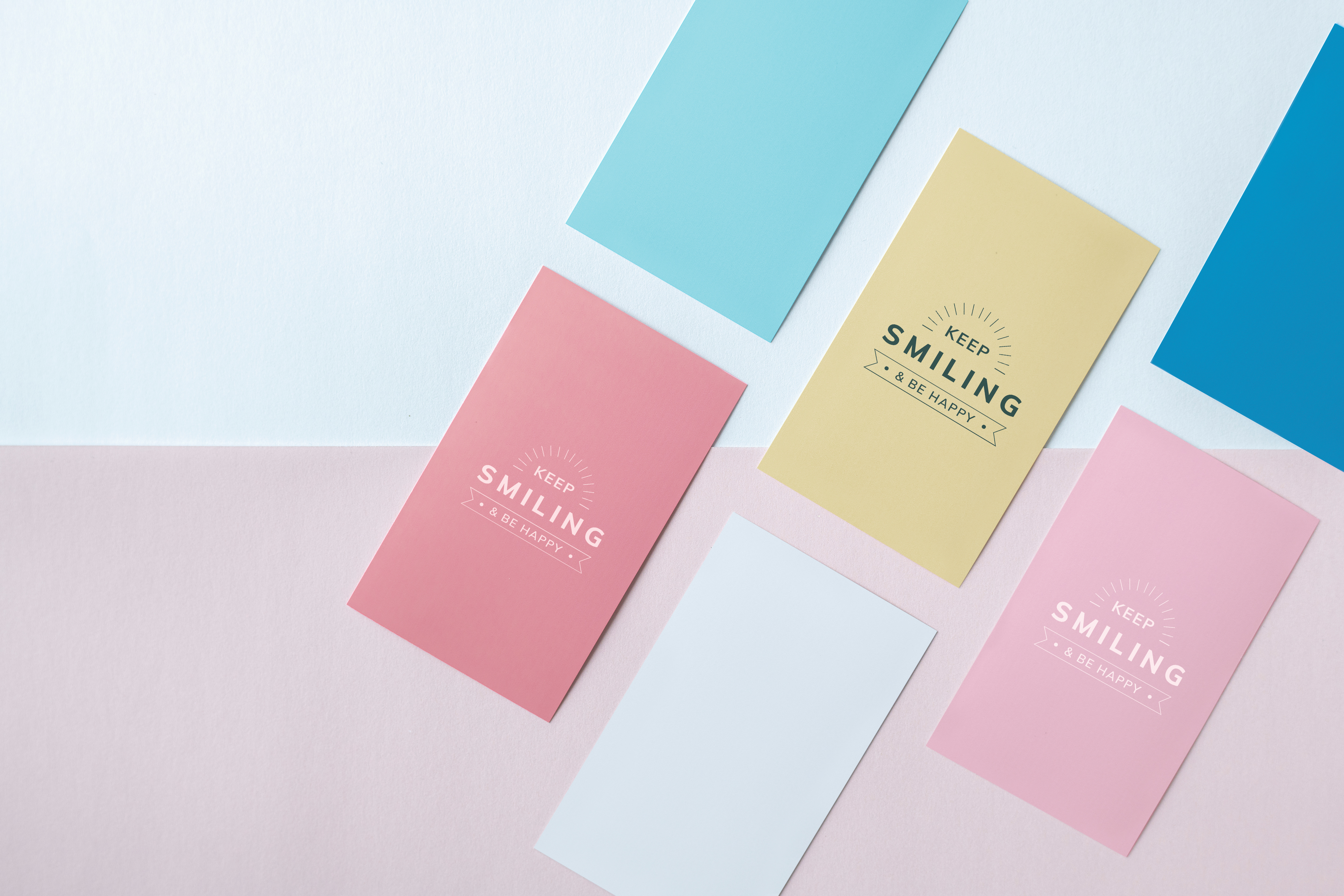
A well-designed business card should do more than share your contact details—it should spark conversation and help you stand out. One way to do this is by incorporating unique design elements that reflect your personality or brand story. Consider adding a memorable tagline, a striking graphic element, or even a custom illustration. Textures can also elevate your card’s feel—options like embossing, debossing, or spot UV coating can add dimension and a tactile quality that people love to touch and remember. Don’t overlook the back of your card; it’s valuable real estate! You could include a QR code linking directly to your website, portfolio, or booking page, making it easy for new contacts to connect with you online. Small details like rounded corners or unconventional shapes can make your card a conversation piece. When your business card is both practical and distinctive, it works harder for you long after that first handshake.
Business Card Etiquette and Best Practices
Designing an eye-catching card is just one part of the equation—knowing how to use and share it effectively is equally important. Always keep a few cards handy; you never know when a networking opportunity might arise. When you hand over your card, present it with intention and a smile—this simple gesture conveys professionalism and respect. In international contexts, be mindful of cultural differences; for example, in some cultures, it’s polite to receive a business card with both hands and take a moment to look at it before putting it away. Make sure your cards stay in pristine condition—use a cardholder to keep them clean and crisp. After an event, jot down a quick note about where and when you met the person on the back of their card—this helps personalise your follow-up. Remember, your business card is more than paper; it’s an invitation to build lasting professional relationships.
Printing and Finishing Options
Once your design is finalised, it’s time to bring your business card to life through printing. At King Print, we offer a variety of printing and finishing options to help your card stand out. Whether you prefer matte or glossy finishes, embossing, foil stamping, or die-cutting, we have the expertise and technology to bring your vision to life.
Make a Lasting Impression
Designing the perfect business card is about more than just conveying contact information; it’s about making a lasting impression. By understanding your brand identity, incorporating essential elements, and following design best practices, you can create a business card that reflects your professionalism and leaves a lasting impression on recipients. With King Print as your printing partner, you have the tools and expertise to create business cards that set you apart from the competition and help you make meaningful connections in the business world. Contact us today to discuss your business card printing needs and elevate your networking efforts to the next level.